

In its 2024 Sustainability Report, Coles told investors it was “steadily reducing” its sourcing from Macquarie Harbour and would continue the transition out. It repeated the claim in its 2025 report and in other public statements.
Available evidence points the other way. Public information and accounts from ex-employees indicate Coles has made no effort to ask suppliers to reduce their Macquarie Harbour salmon. In October 2024, the head of Salmon Tasmania, the body representing all three Macquarie Harbour producers, said he was not aware of Coles reducing or cancelling any supplier contracts.
At Woolworths’ AGM on 29 October, SIX CEO Adam Verwey revealed that the ethical share trading platform has lodged complaints about both supermarket giants with the corporate regulator ASIC and the consumer watchdog ACCC.
The complaints allege the Woolworths Chair and senior executives appear to have discussed managing the backlash on salmon with Coles multiple times, over at least 15 months, without Board or regulatory approval.
SIX and a shareholder group including leading Tasmanian environment organisations Environment Tasmania and Neighbours of Fish Farming filed shareholder resolutions in 2024 and 2025, which attracted some of the highest levels of support seen globally for resolutions of this kind.
Despite that clear signal from investors, the supermarkets appear to have done little beyond removing their “responsibly sourced” labels from salmon, and continue to risk being tied to an extinction event.
Adam Verwey, CEO of SIX said:
Good morning, Chair. I’m Adam Verwey, CEO of SIX. We represent around 200 Coles shareholders.
In 2024, we co-filed a resolution around Coles sourcing salmon from Macquarie Harbour. It won a historic 39 per cent of the vote – the highest vote for a nature based resolution anywhere in the world.
In 2026, we chose not to file again at Coles. We did at Woolworths, and we challenged the re-election of its Chair this year. We held back at Coles for one reason: you told us, and you told the market, that you were acting on an issue nearly 40 per cent of your shareholders wanted action on. We relied on those statements.
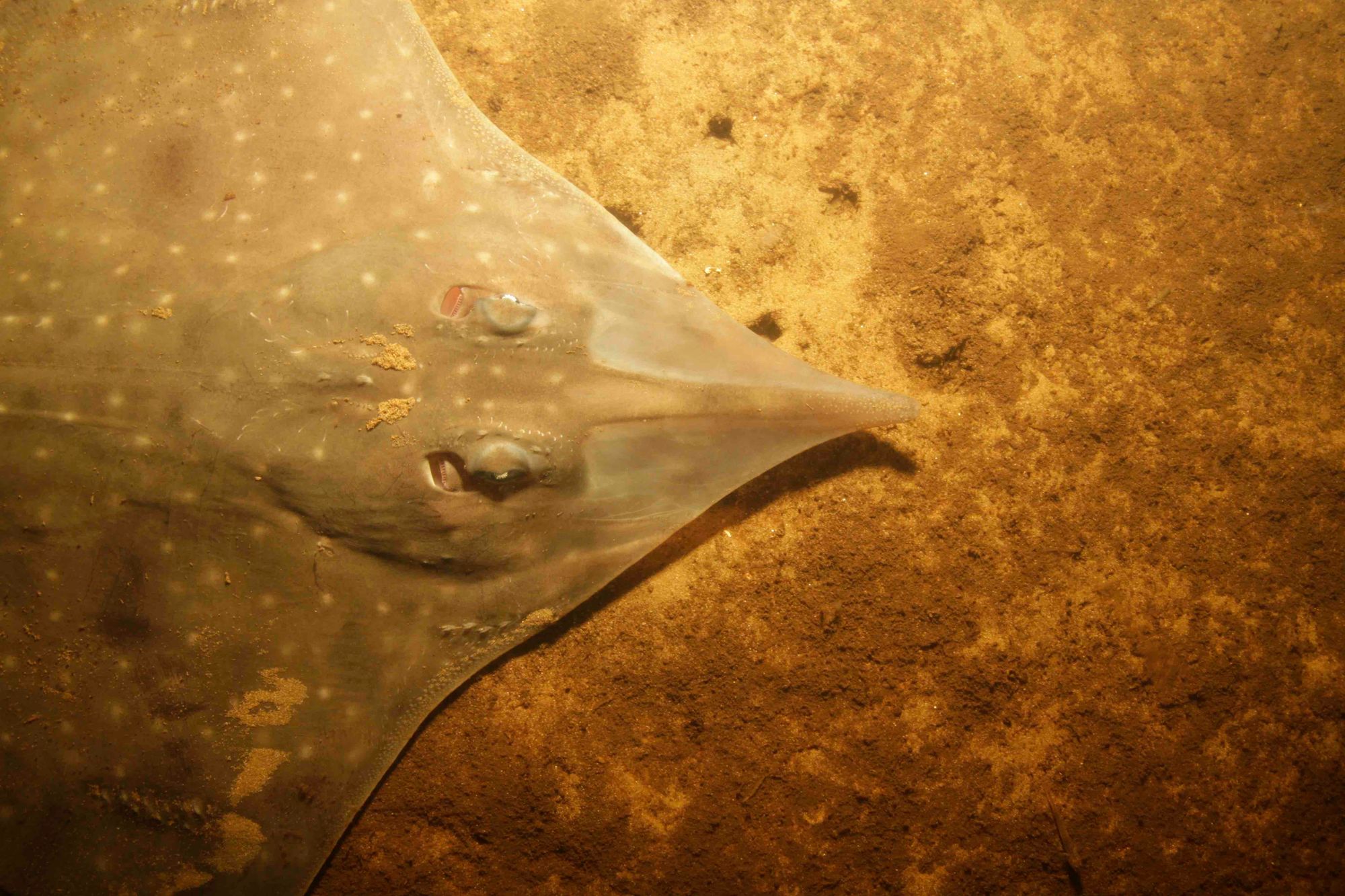
You have acknowledged that salmon farming in Macquarie Harbour threatens the survival of the Maugean skate. You rightly removed the “responsibly sourced” label from your salmon.
But your most important claim was that Coles was reducing its supply from the harbour. You made it again and again. In your 2024 Sustainability Report, your Chair and CEO said Coles had been “steadily reducing” its supply, and that the “transition” would continue. Your 2025 Sustainability Report said Coles “has reduced the volume of salmon taken from the Harbour”. You repeated it at last year’s AGM, and in public statements as recently as April.
Not once have you published a number. We have asked for this information. Coles has not provided it.
Last week, at the Woolworths AGM, I announced that SIX had asked government regulators ASIC and the ACCC to examine the conduct of both Woolworths and Coles on Macquarie Harbour salmon. That includes Woolworths representatives telling us, repeatedly, over more than 15 months, about discussions with Coles on salmon.
Woolworths representatives also questioned whether Coles had really reduced its supply. I defended Coles. I said Coles would not make that claim to shareholders, in reports signed off by its Chair and CEO, unless it were true.
But others have since raised the same doubt. In October 2024, just after you first made the claim, the head of Salmon Tasmania said he was not aware of Coles reducing or cancelling any supply contracts.
Former staff members of Coles have told us the claims of reduction are bogus. This includes former members of your seafood team who said there was no direction to suppliers to cut back on supply from Macquarie Harbour, and if there was any reduction in supply it was “0.001%, basically nothing”.
I have asked the regulators to investigate. But you can settle this here, today.
My questions to the Chair: has Coles formally instructed its salmon suppliers to reduce supply from Macquarie Harbour, and if yes by how much?
Jasmine Labelle Idrissi, Campaigner at Neighbours of Fish Farming said:
Good morning chair, my name is Jasmine.
I am here representing Neighbours of Fish Farming, a community based organisation founded in Tasmania.
Coles took “responsibly sourced” off its salmon packaging. The words came off the pack. The salmon stayed on the shelf.
So did Tasmania’s name. Think about what that name brings to mind: wild coastlines, clear waters, and wildlife people travel there to see. Tasmania promotes those places to the world and Coles uses this reputation to sell their salmon.
Now picture what is happening in those same waters.
Since Coles' last AGM, more than 16,900 tonnes of dead farmed fish have been reported to Tasmania’s EPA.
Government wildlife records show 18 marine mammals- these are seals and dolphins- that have died in interactions with salmon farms over the last two financial years.
In the first 6 months of this year alone, salmon companies reported using almost 1,800 underwater explosives to deter seals.
And in 2025, Tasmania’s salmon industry used 3,948 kilograms of antibiotics – around 22 times more than in 2024 –all to treat the consequences of having cold-water fish in our continuously warming waters.
These are industry-wide figures. They tell part of the story of what happens in the waters where Tasmanians live, fish and swim. In CSIRO's survey of 931 participants, the authors said salmon farming stood out as “the only local industry posing both a significant threat and a major concern.”
Chair, if what’s already happening in Tasmania’s waters hasn’t crossed Coles’ threshold for changing where it buys salmon, what will?
Start your journey in ethical investing and make a positive impact as a shareholder.