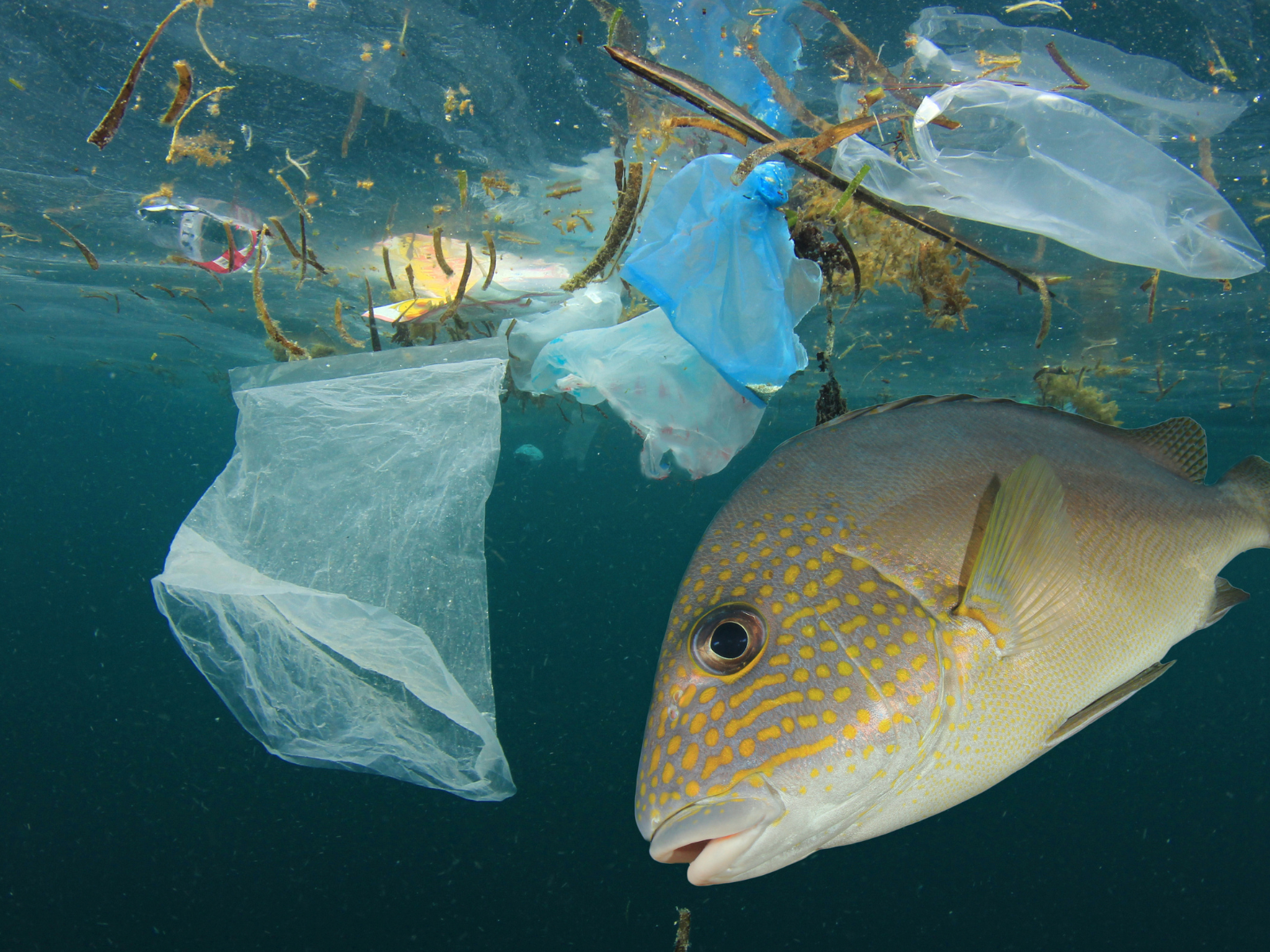
Australia has a big problem with plastic pollution. And we know it.
Each year 145,000 tonnes of Australia's plastic leaks into the environment, amounting to over 250kg of plastic leaking into the environment every minute.1 Meanwhile, the government and industry are not doing enough to tackle our plastic pollution problem, failing to meet goals they have set - such as their 2025 National Packaging Targets.2
Australians care about the damage that plastic is causing our ecosystems, wildlife, oceans and health - and want big companies to do more to take responsibility for their plastic pollution.
Polling undertaken for Australian Marine Conservation Society (AMCS) by YouGov in 2025 revealed 81% of Australians are concerned about the damage that single-use plastics are causing to our oceans and coastlines. And a huge 96% of Australians support reducing single-use plastics.3
SIX is teaming up with leading Australian charity AMCS and sustainable superannuation fund Future Super. In 2026 and beyond, we’re using shareholder power and pushing big ASX-listed companies - across retail, healthcare, food & beverage and more - to tackle their domestic plastic pollution problem.
.png)
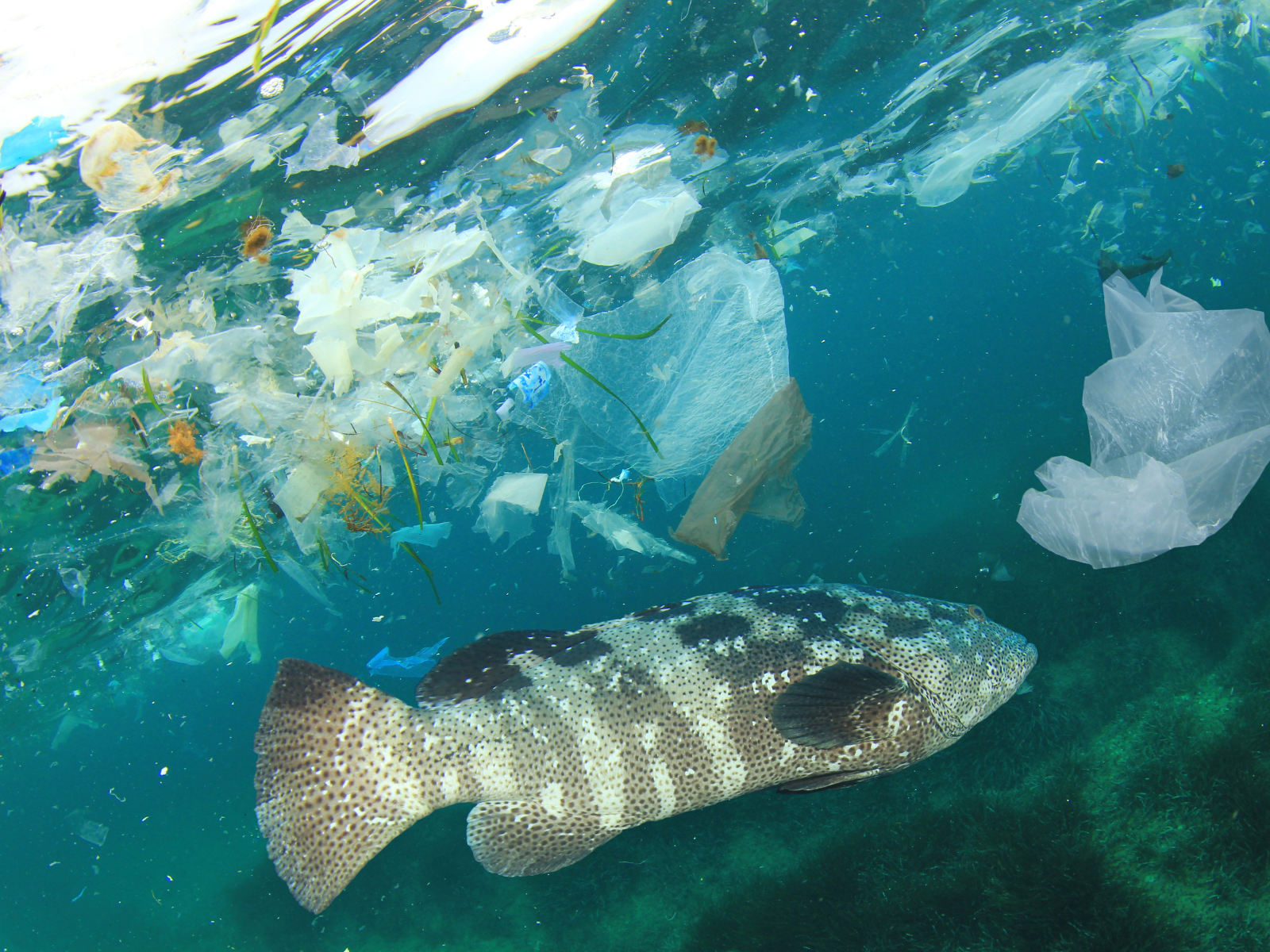
> Harming wildlife, earth and oceans: Plastic pollution is a major threat to our ecosystems and wildlife, posing entanglement and ingestion risks to many species; as well as risking poisoning and contamination.4
> Contributing to the climate crisis: Plastic production further fuels the climate crisis. Most plastic is derived from fossil fuels (like oil and gas), which further drives the climate crisis including extreme weather events like floods, fires, heatwaves and droughts.5
> Damaging to human health: While the research is still emerging, the scientific evidence about the long-term effects of plastic on human health so far is concerning.6
> Recycling alone is not the answer: We need upstream solutions (that’s action early in products’ lifecycle like how it’s designed and how much of it there is). In Australia, we’re using more plastic than our recycling system can process.7 Even if we did focus our efforts on improving recycling, this alone will not solve the plastic pollution crisis.8
> Australia is not on track to meet goals tackling this problem: The Australian Government and industry are failing on their National Packaging Targets, such as their commitment to reach 70% of plastic packaging being recycled or composted by 2025 instead sitting at a dismal 19%.9
Australian companies have the opportunity to lead by example. There are many actions that companies could take on their journey towards to a circular economy, including:
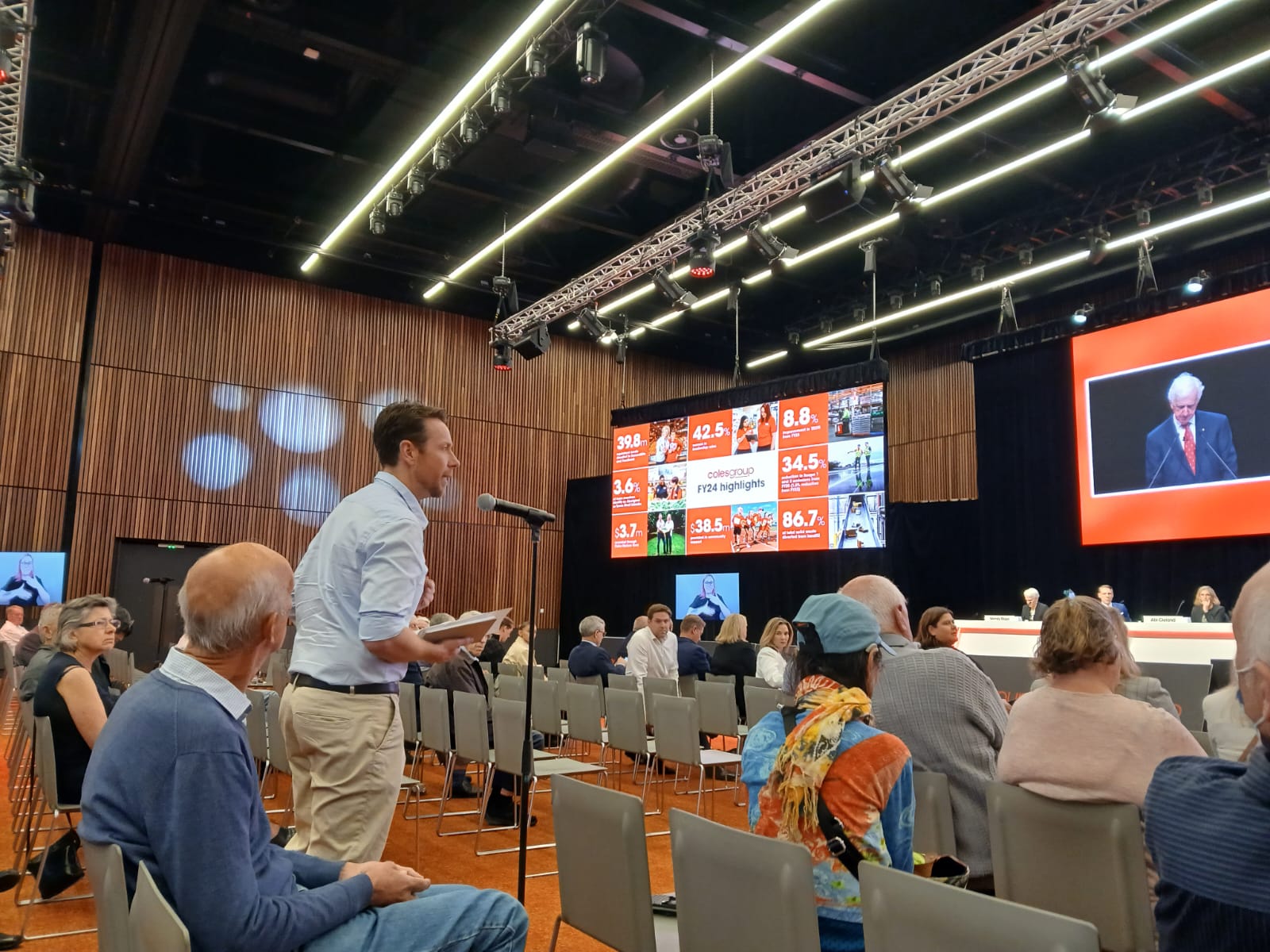
SIX, AMCS and Future Super will be meeting with a range of companies, on behalf of our shareholders, members and community. We’ll explore which actions these big companies are already taking, celebrate those who are leading, and encourage all of them to go further.
The Australian Marine Conservation Society (AMCS) is Australia’s leading voice for ocean conservation. As an independent charity, AMCS have been protecting our precious marine life and habitats since 1965.
Future Super is the sustainable super fund that invests and shows up for climate action. They help Australians use their money to build a future worth retiring into by investing in climate solutions and driving real-world impact. We use our voice to push for better outcomes for people and the planet.
![subject: [background image] image of a modern tech setup (for a travel tech)](https://cdn.prod.website-files.com/69a79907fb8efb3a1baeb93d/6a1d252e37b539971c0bcd4b_25.png)

.png)
Become a shareholder by buying shares in the target company easily with SIX. We need 100 shareholders in each company by the deadline to unlock our resolution and force action.
You can create a SIX trading account and use the SIX platform to purchase shares in the companies.
You can also use your existing share trading platform to buy these shares and sign SIX's agency agreement.
Sign SIX's agency agreement ensuring you will be on the list of shareholders supporting SIX's resolutions with these companies.
[1] O’Farrell, K., Harney, F., & Chakma, P. (2021). Australian Plastics Flows and Fates Study 2019-20. National Report. Prepared for the Department of Agriculture, Water and the Environment.
[2] https://apco.org.au/national-packaging-targets
[3] Australian Marine Conservation Society (AMCS). (2025). Cutting plastic pollution at the source
[4] Wilcox, C., van Sebille, E. and B.D. Hardesty. 2015. Threat of plastic pollution to seabirds is global, pervasive, and increasing. Proceedings of the National Academy of Sciences of the United States of America. 112(38):11899-11904.
[5] AMCS, WWF-Australia, & Blue Environment. (2023). Climate impacts of plastic consumption in Australia. https://www.marineconservation.org.au/plasticemissions/
[6] https://www.greenpeace.org.au/article/microplastic-in-the-human-body/
[7] APCO (2024), Australian Packaging Consumption & Recovery Data 2021-22
[8] The Pew Charitable Trusts and SYSTEMIQ. (2019). Breaking the Plastic Wave.
[9] Australian Packaging Covenant Organisation (2026). Australia’s National Packaging Targets. https://apco.org.au/national-packaging-targets
Photo credit: Australian Institute of Marine Science